pilot-scale bulk-manufactured materials gmp ready calcium propionate

Bioprocessing depends strongly on a plentiful suite of base components for developing state-of-the-art biosolutions.
Securing the sustainable sourcing of these resources is indispensable to sustainable success and conscientious scaling.
diverse obstacles inherent in legacy sourcing approaches including carbon-intensive impacts and resource exhaustion. Accordingly, companies L-arginine-α-ketoglutaric acid are required to implement regenerative sourcing methods to mitigate footprints.
- Models of sustainable material sourcing include:
- Harnessing secondary biomass from farming outputs
- Integrating recovery systems to shrink waste while improving throughput
- Aligning with domestic providers that adhere to transparent sourcing
Adopting sustainable feedstock strategies yields environmental wins alongside fiscal sustainability.
Enhancing Biomass Composition for Superior Biofuel Results
Maximizing the efficiency of biofuel production relies heavily on the quality and composition of biomass feedstocks. Technologists actively pursue refinements to increase feedstock efficiency, yielding greater biofuel outputs and greener energy prospects. Strategies feature genetic optimization to raise biomass yield plus pretreatment to depolymerize plant polymers into sugars.
- Also, studies emphasize discovering resources such as seaweed, organic waste, and residual straw to diversify sustainable feedstock supplies for fuels.
- Because of continual endeavors biofuel technology is set to attain meaningful progress that supports renewable energy growth.

Optimizing Early-Stage Biomanufacturing Processes
spans early manufacturing steps including propagation and cell separation Ongoing innovations have accelerated process enhancement leading to greater yields.
Important innovations consist of upgraded cell platforms, customized nutrient matrices, and smart bioreactor solutions. Such breakthroughs boost efficiency and simultaneously reduce manufacturing costs and carbon burdens.
- Moreover, continuous manufacturing adoption is enabling dynamic control and greater adaptability in upstream workflows.
- Implementing cutting-edge manufacturing technologies will probably redefine workflows and accelerate innovation.

Molecular Editing Strategies to Increase Bioproduct Output
evolutions in genetic modification techniques have optimized therapeutic biosynthesis. Through focused genomic edits within host strains, scientists increase expression of desired therapeutic proteins. This capability can unlock development of cost-efficient, high-performance biologics for many conditions.
Biodegradation Strategies Using Targeted Microbial Cultures
cutting-edge microbial approaches that remediate contamination sustainably. Engineered and natural microbes can attenuate pollutants via metabolic conversion.. Using microbial biotechnology enables remediation strategies that balance effectiveness with ecological protection. Investigators study multiple microbial strains for abilities to transform metals, degrade agrochemicals, and process petroleum wastes.. They can be integrated into bioreactor platforms or introduced in the field to stimulate microbial breakdown of hazardous compounds..
Microbial remediation approaches present key benefits relative to classic remediation methods. The approach tends to lower treatment costs and avoids producing toxic residuals. Additionally, microbial tactics can target contaminants selectively while preserving surrounding ecological systems. The field is rapidly refining methods to make microbial remediation more efficient and broadly effective.
The Role of Bioinformatics in Drug Discovery and Development
Computational tools have grown indispensable in the current drug discovery landscape. From target discovery through candidate optimization, bioinformatics facilitates streamlined, hypothesis-guided workflows.
- Through mining large genomic, proteomic, and clinical repositories, informaticians reveal new targets and forecast drug behaviors.
- Likewise, computational docking and dynamics help design molecules with improved target engagement and potency.
- In conclusion, computational biology reshapes discovery pipelines and speeds delivery of reliable treatments for patients.
Cell Factory Optimization for Higher Bioproduct Output
adopts varied approaches to raise biosynthetic yields of beneficial compounds. Strategies involve pathway refactoring by genetic modification, expression modulation for balanced flux, and grafting of novel genes to add capacity.. By calibrating pathway dynamics and expression levels teams can greatly amplify bioproduct yields.
This combined approach has capacity to change industries from drug manufacture to food production and bioenergy.

Barriers and Benefits When Expanding Biopharmaceutical Manufacturing
Industrial-scale production introduces demanding hurdles as well as strategic advantages. Ensuring product consistency at larger manufacturing scales represents a major hurdle. Meeting the need calls for dependable control systems, granular monitoring, and cutting-edge analytical methods.

A further difficulty lies in process complexity, with many interdependent production phases.. Translating lab methods into scalable operations needs heavy research and technology breakthroughs.. Yet, the returns can be substantial. Skilled scaling can enlarge supply, lower prices, and increase profit potential.
Different initiatives are progressing to solve scale-up constraints. They encompass new process-improvement tools, in-line analytics for continuous oversight, and creative manufacturing approaches.
- R&D initiatives significantly drive enhancements in manufacturing capacity.
- Government agencies are streamlining review procedures to permit quicker uptake of new production technologies and foster innovation.
Navigating the Regulatory Landscape for Biopharmaceuticals: Ensuring Safety and Efficacy
Manufacturing biopharmaceuticals entails detailed regulatory processes to copyright safety and clinical performance. Biopharmaceuticals, often derived from biological sources, present unique challenges compared to traditional medications.
Bodies like FDA and EMA shape the regulatory landscape and set benchmarks for evaluating innovative therapies..
Comprehensive testing regimens must be followed from early-stage research through ongoing post-approval monitoring.. The measures work to spot potential hazards and validate that therapies reach demanding safety levels..
Similarly, regulators iteratively adjust approaches to accommodate emerging biopharmaceutical breakthroughs.. Efforts comprise integrating cutting-edge tools and easing development pathways while upholding patient safety.
Exploring the Potential of Plant-Based Biomass Feedstocks in Bioplastics
Heightened demand for sustainable products accelerates efforts to develop renewable material alternatives. Among these, bioplastics, produced from plant-derived biomass feedstocks, offer a promising avenue towards a greener future. Plant inputs like corn-derived starch, cellulose derivatives, and sugarcane can be turned into degradable plastics that lessen environmental burdens.
Additionally, many plant-based bioplastics show performance characteristics similar to conventional plastics for numerous uses.. Sustained research efforts are necessary to optimize plant feedstocks for mass bioplastic production and enable circularity.
Biotechnology Driving Advances in Health and Agricultural Stability
Biotechnology equips researchers with methods to tackle health crises and bolster food availability. With genetic tools, engineered biological systems, and regenerative cell approaches, experts craft interventions to manage diseases, enhance agriculture, and fortify nutrition.. Consider genetically enhanced crops that resist pests and environmental stresses to improve production and reduce pesticide reliance.. Concurrently, biotechnology drives development of immunotherapies, antibiotics, and diagnostics that play a key role in controlling diseases and improving health metrics. Looking forward, continued biotech progress promises to deliver therapies and agricultural solutions that support health and sustainability worldwide.
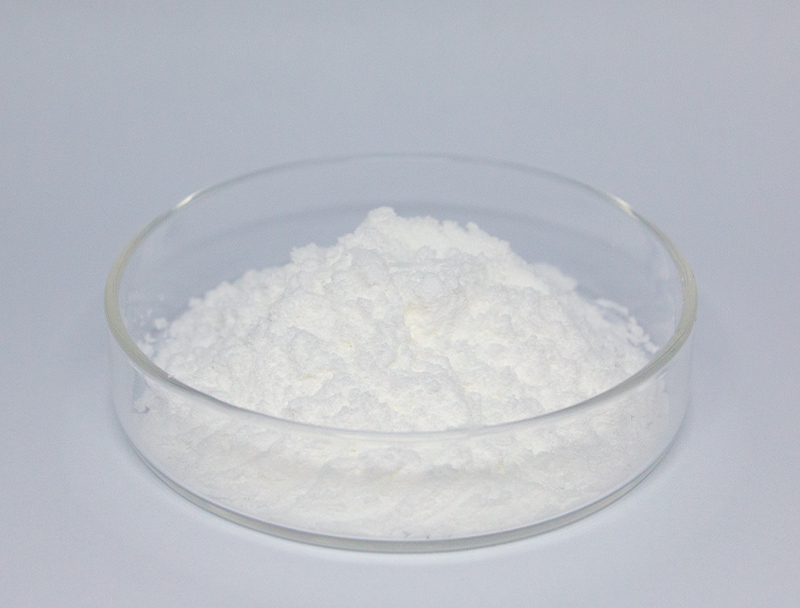 α-Ketoglutaricacid